
The first time I planned a safari, I thought the biggest decision would be where to go. Turns out that the real game-changer was when. Africa’s safari seasons are not just a matter of dry versus wet – they completely shape the kind of experience you’ll have. Wild theatrics at a waterhole in peak season? Baby animals and thundering afternoon storms in the green season? Or the sweet in-between of shoulder months? Timing isn’t everything, but on safari, it’s very close. So, let’s break down the safari seasons and how they affect what you’ll see, where you’ll go, and what kind of trip you’ll have.
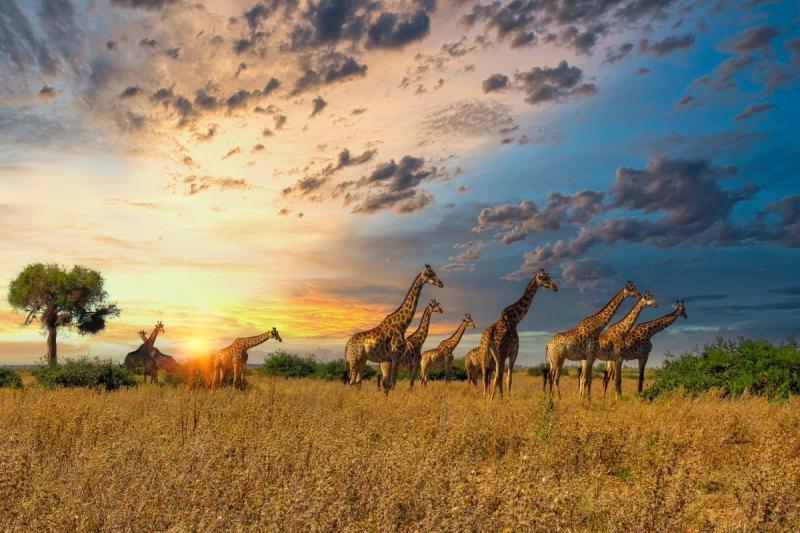
Golden hour in the wild – timing is everything
The Dry Season: Game Viewing at Its Best
If you want high drama and visibility, this is the time. The dry season runs roughly from June to October, depending on where you are. Rain is scarce, vegetation thins out, and wildlife heads for the nearest water source – which also happens to be where you’ll be waiting – binoculars in hand.
In places like South Africa's Greater Kruger, this season is peak safari. Predator-prey dynamics are on full display, and you’re more likely to spot the Big 5 in a single game drive than during any other time of year. It’s also the busiest and priciest, which might be a dealbreaker or a fair trade-off, depending on your priorities.
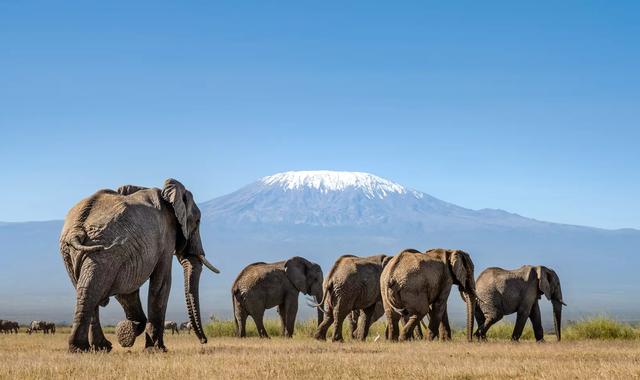
Top choices? The Maasai Mara for the Great Migration crossings, South Luangwa for walking safaris, or Chobe National Park where elephants practically queue up at the river.
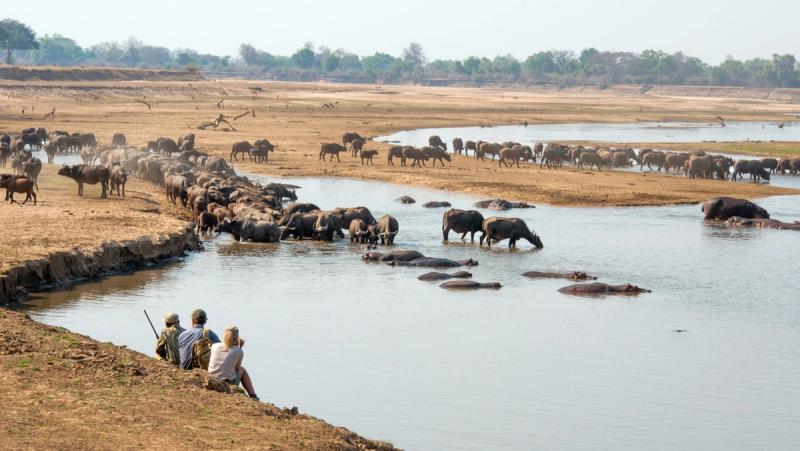
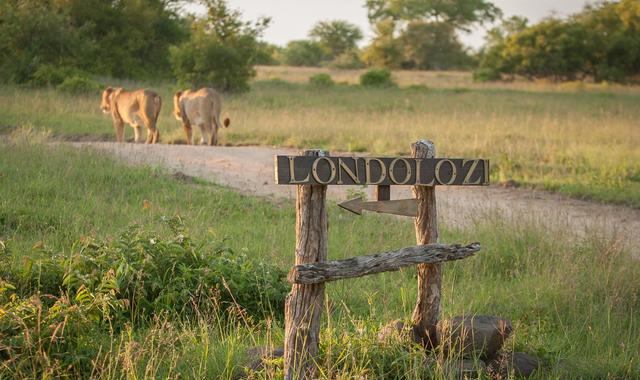
Dry safari season drama, just a few steps away, Image Credit: Mwamba Bush Camp
The Green Season: Beauty, Birds and Bargains
Then there’s the green season – November through to around April – when the rains arrive, the landscapes come alive, and safari takes on a completely different tone. It’s not a washout, by the way. In most regions, the rains are short, sudden bursts rather than day-long downpours.
You’ll trade easy wildlife sightings for lush backdrops, newborn animals, and exceptional birding. Migratory species arrive, the air smells sweet, and everything just feels more alive. If you’re into photography, the lighting is softer, and the scenery is arguably more breathtaking.
Oh, and the prices can be very attractive. You’ll find excellent value in places like Namibia, Zimbabwe, and even Botswana. Just check accessibility – some remote areas shut down due to flooding or impassable roads.
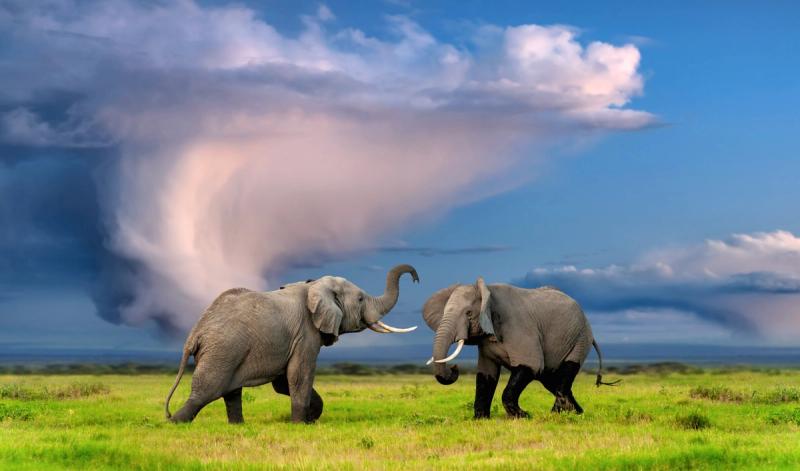
Storms, tusks and lush green wilderness
The Shoulder Seasons: Best of Both Worlds?
The safari world’s best-kept secret is arguably those shoulder seasons – the months that fall between the dry and green seasons. Think April to early June, and again in late October into early November. You’ll often find reduced rates, fewer vehicles on the roads, and some unpredictability – in the best way.
In southern Africa, May is a favourite. It’s cooler, mostly dry, and the wildlife hasn’t dispersed too far. In East Africa, late October is a sweet spot before the short rains begin. These windows offer a bit of both: animals still visible, landscapes still lovely, and without the crowds that dominate high season.
If you like balance (and the idea of having a lion sighting all to yourself), this could be your time.
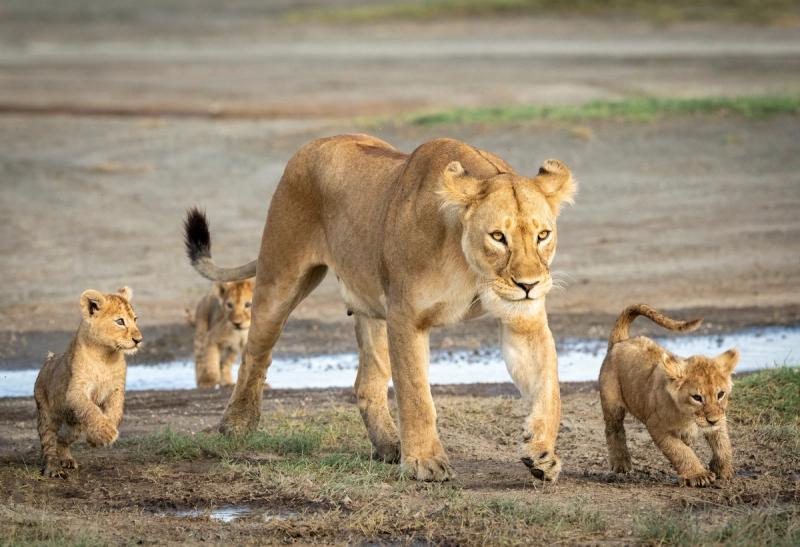
Shoulder season sightings without the shoulder-to-shoulder crowd
Where to Go and When
Timing a safari isn’t just about dodging the rain or catching a special deal – it’s about understanding how the seasons shape the experience. And Africa being Africa, different regions do their own thing at different times. Here’s how the safari seasons stack up across our most popular spots – and when I’d personally go, depending on what I’m after.
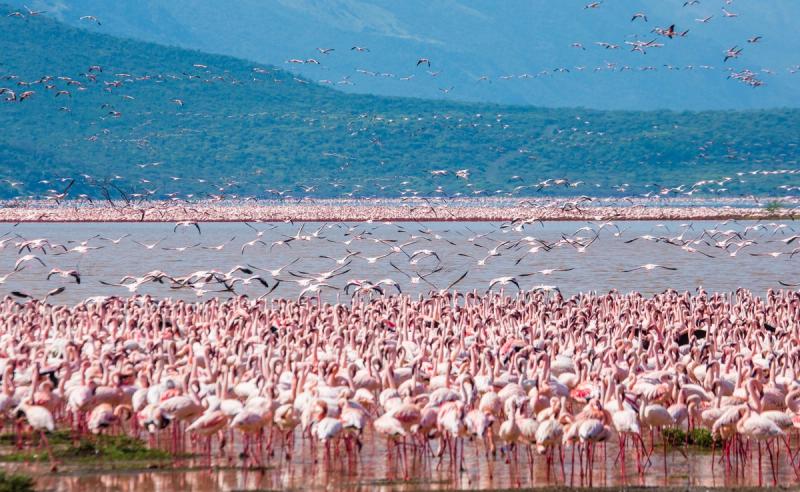
Same country, totally different safari seasons
1. The Serengeti and Maasai Mara – All About The Migration
East Africa plays by slightly different rules. Thanks to its equatorial location and massive resident game, you can technically safari here year-round. But if you’re hoping to catch the Great Migration, timing is everything.
June to October (Dry Season):
November to March (Green Season):
and
If you’re chasing the Great Migration, it's worth getting some help from our Travel Experts in pinpointing where the herds will be – they don’t check calendars.
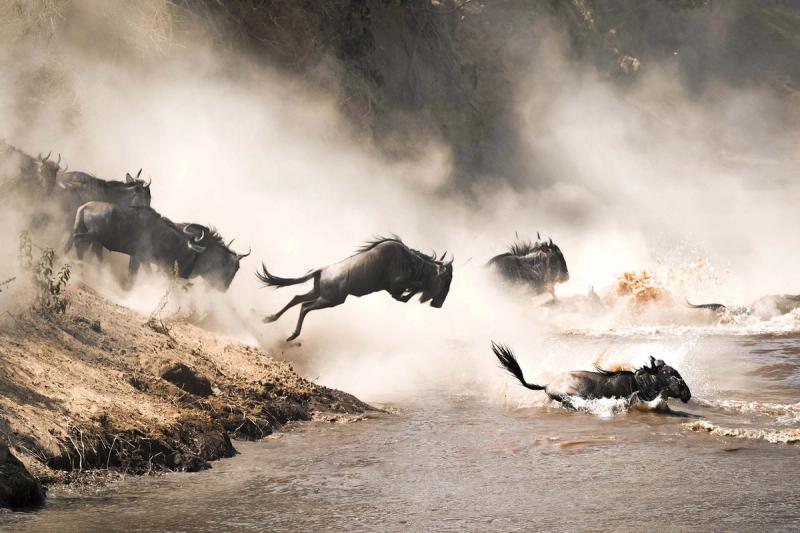
When safari in East Africa turns into a full-blown spectacle
2. The Greater Kruger – The Classic All-Rounder
South Africa’s Greater Kruger is solid gold for first-timers and safari regulars alike. Easy logistics, proper big cat territory, and malaria-free options up north.
May to September (Dry Season):
November to March (Green Season):
April and October:
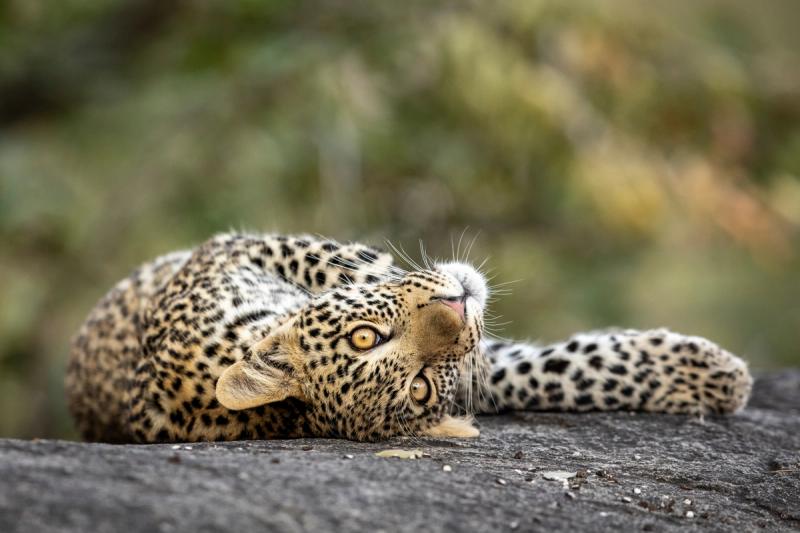
Kruger delivers – whatever the safari season throws
3. Okavango Delta – Botswana’s Water Wonderland
Here’s where things get a bit counterintuitive. The Okavango Delta actually floods during the dry season, thanks to rainfall way upstream in Angola. So while other places are drying out, the Delta’s filling up – and it’s glorious.
June to October (Dry Season):
November to March (Green Season):
May and November:
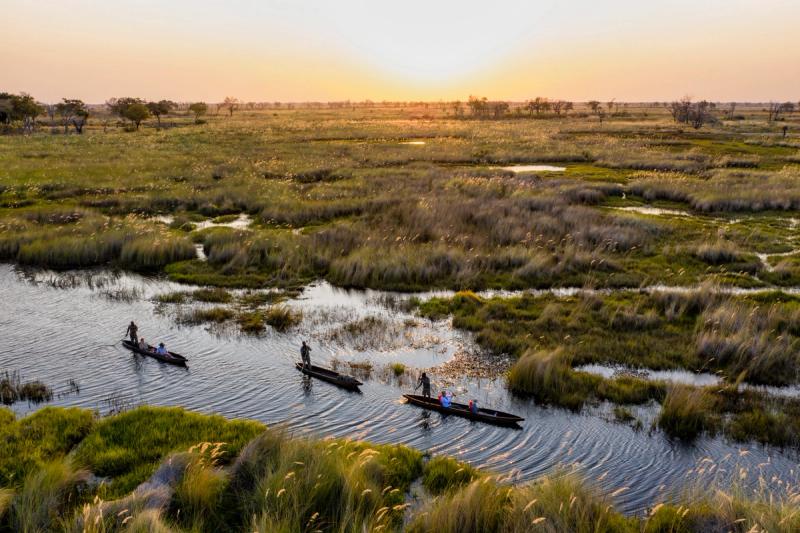
The Delta proves safari seasons don’t follow the rules, Image Credit: Sable Alley
4. Victoria Falls – A Two-for-One Deal
People often think of Victoria Falls as just a stopover. Big mistake. It's a safari hub and home to one of the most outrageous waterfalls on the planet – but you’ll want to time it right depending on what you’re there for.
April to June:
August to October:
see
For safari, pair it with Chobe or Hwange National Park between June and October – both deliver classic dry season game viewing with far fewer crowds than some of the big-name parks.
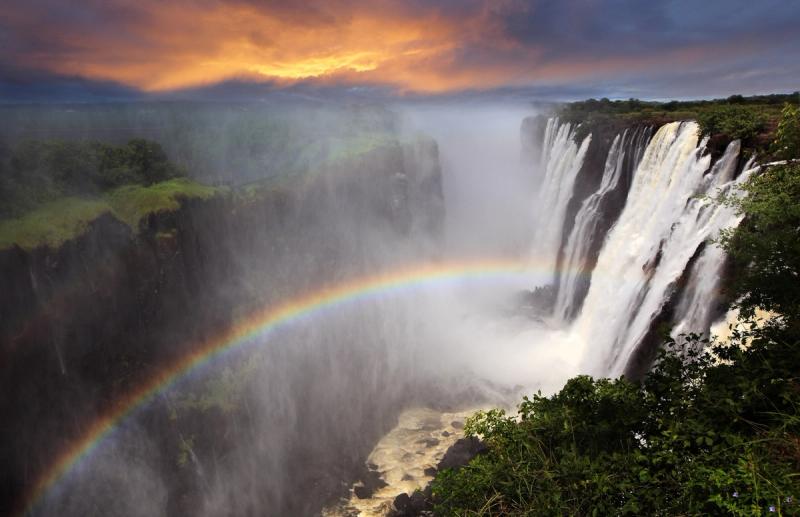
Victoria Falls at full power – no filter
So, Which Safari Season Is Right for You?
That depends. If you’re after textbook wildlife sightings, go dry. If you prefer dramatic skies, birdlife and fewer vehicles, green’s your season. And if you want a bit of both with a chance of a good deal, go shoulder.
Personally? I’ve fallen for each season for completely different reasons. The dusty, crunchy stillness of high season has its edge. The green season feels like Africa is letting its hair down. And shoulder season? That’s the wildcard – which, let’s be honest, is often where the best travel stories come from.
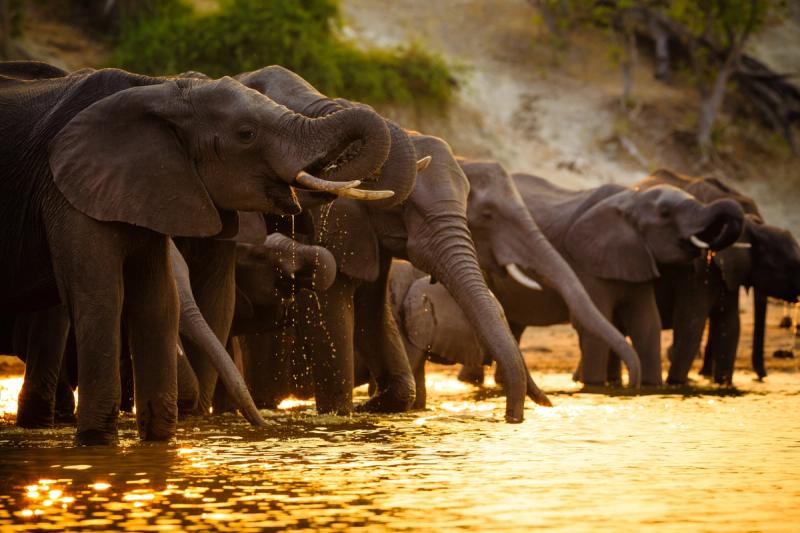
Whichever safari season you choose – you win
Choose the Plot and We'll Plan the Rest
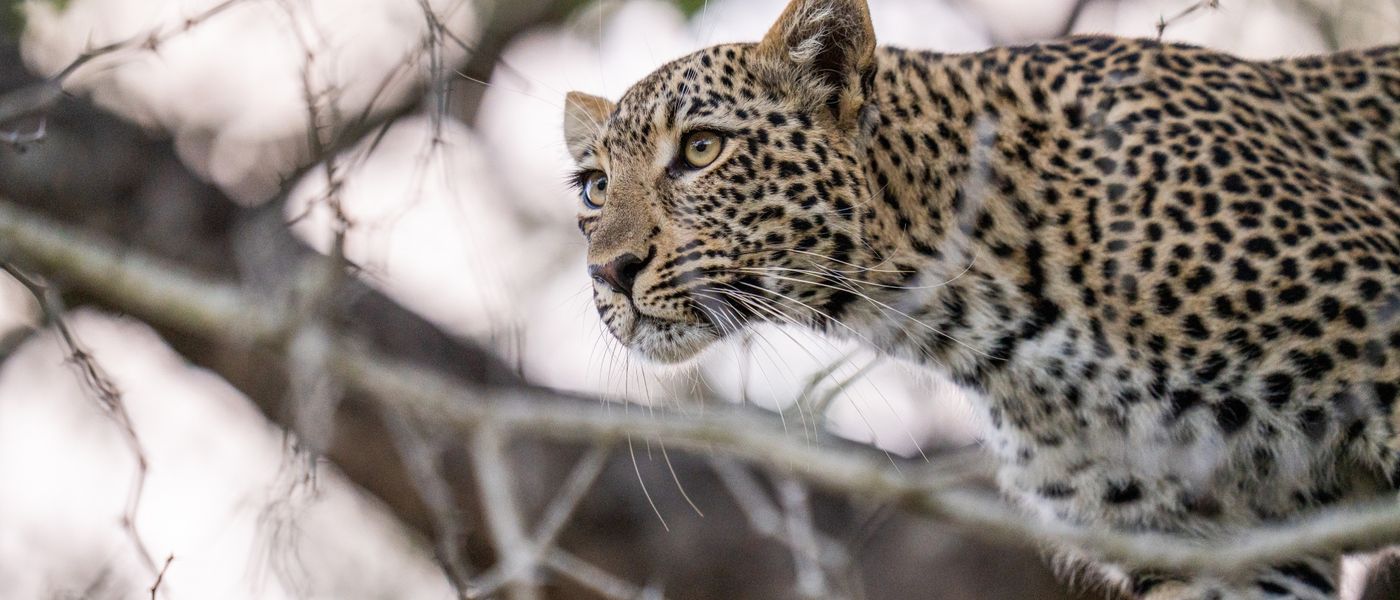
Back to that first safari of mine – I went in shoulder season, mostly because of the price. I didn’t expect to have a leopard sighting all to myself or to end up tracking African wild dogs with just one other vehicle nearby. But that’s the magic of understanding safari seasons. Once you know how timing shapes the story, you’re not just going on safari – you’re choosing the plot.
Curious about which safari season suits you best? Chat to one of our Travel Experts – they’ll help you find the right time to go, for all the right reasons.