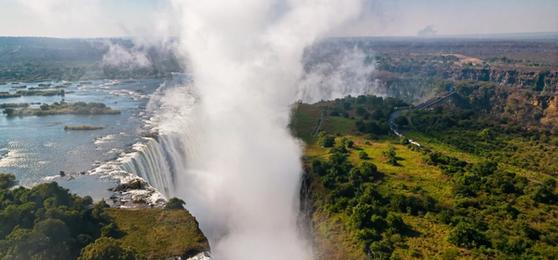
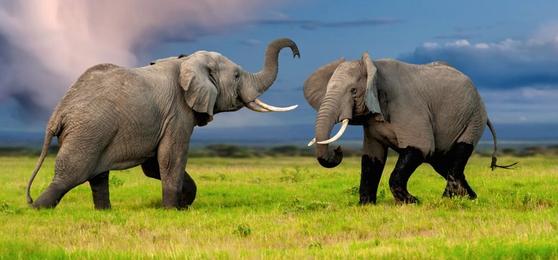
Timing matters in Tanzania. You could find yourself watching thousands of wildebeest charge across a crocodile-strewn river – or sipping coffee in the rain, wondering where everyone went. The difference? A few weeks on the calendar. This isn’t about ticking off dry versus wet season or googling 'migration map'. It’s about knowing what kind of experience you’re looking for – and choosing your moment just right. So, let's explore the best time to visit Tanzania, and what "best" even means.
Timing is everything when planning Tanzania’s perfect moment, Image Credit: Lemala
Best Time to Visit Tanzania (At a Glance)
June to October – best for classic dry-season safari and general wildlife viewing
January to March – best for calving season in the southern Serengeti
July to September – best chance of dramatic migration crossings in the north
November to December – best for greener landscapes and fewer crowds
June to October, plus January to February – best for Zanzibar beach time
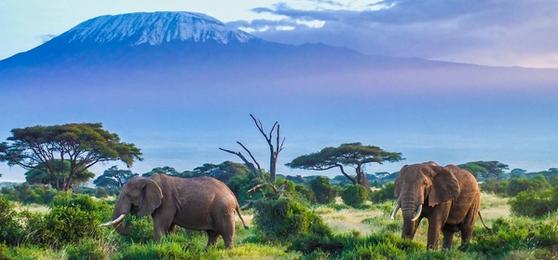
A snow-capped Mount Kilimanjaro, Africa's highest mountain
January and February: The Short Dry Season
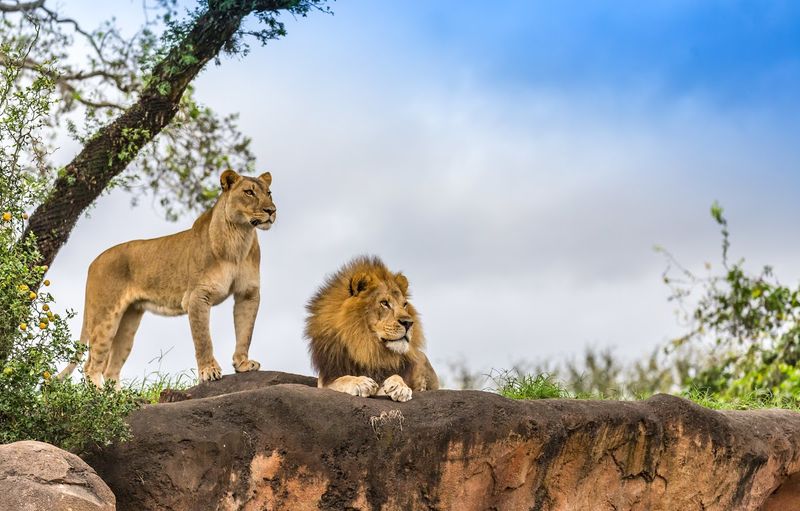
Welcome to our unsung favourite. During this dry season, the short rains of November and December abate, leaving behind a lush landscape. The southern region of the Serengeti National Park fills with wildebeest – and their brand-new, wobbly-legged offspring. This is calving season, when thousands of calves are born each day, attracting every predator with an appetite and a pulse.
The short dry season is a good time for safaris in the south and west. Diving off the coast is also at its best because tropical beaches are at their warmest. Plus, it's an ideal time to climb Mount Kilimanjaro, offering clear views and warmer temperatures at the summit.
With fewer tourists than during the long dry season and a solid line-up of wildlife and weather highlights, this short, sweet window is easily one of Tanzania’s best-kept secrets.
Best for: Predator action, lush scenery, fewer crowds, and pairing safari with the coast or Kilimanjaro.
What to Expect: Newborn wildebeest, active big cats, and warm beach days in Zanzibar.
Lush landscapes, sparse crowds, and lions on the hunt
March, April, and May: The Long Rain Intermission
This is when some camps and lodges close their doors, allowing the bush to replenish. The long rains arrive with enthusiasm, roads can become rivers, and logistics start to fray. If you're determined to go, you’ll find deep discounts – but also damp boots and the occasional detour.
That said, some regions remain rewarding. Migratory birds arrive in force, and by May, Lake Natron hosts millions of breeding flamingos. The Great Migration stretches across the southern Serengeti in March and April, then begins shifting northwest in May.
Ngorongoro Crater remains a strong option throughout, and its high-altitude setting keeps it accessible and packed with wildlife year-round.
Best for: Budget-conscious guests who don’t mind a bit of weather roulette.
What to Expect: Mud, mist, and moments of solitude.
Even the rain has its magic in Tanzania
June to September: High Season, High Drama
This is Tanzania on full volume. Dry skies, sparse vegetation, and wildlife congregating around the remaining water sources make it the best time for high-impact game viewing. Think lion standoffs, dust trails, and the kind of light that makes even amateur photos look cinematic.
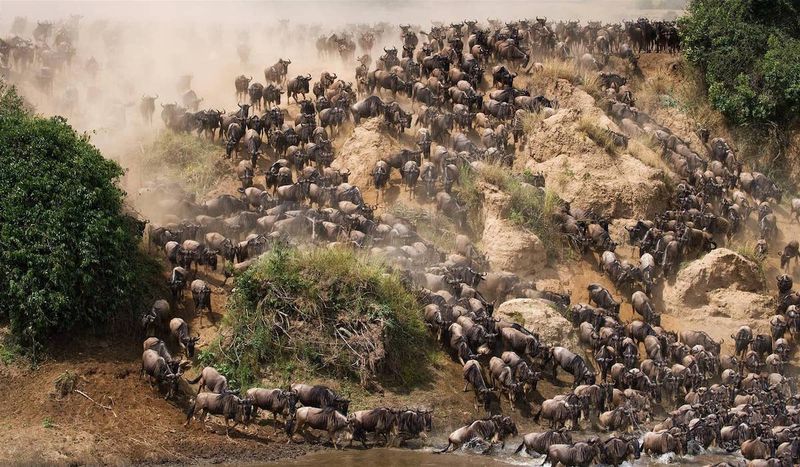
In the Serengeti, this is when the Great Migration builds to its most dramatic crescendo with wildebeest river crossings, crocodiles barely blinking, and camera lenses clicking like castanets. But popularity comes at a price, and you won’t be the only one who had this bright idea, so expect company on game drives and plan well in advance.
Best for: Wildlife photographers, first-time safari-goers, those who want “wow” with their morning coffee.
What to Expect: Clear skies, cool mornings, packed lodges, unforgettable sightings.
When the timing’s right, the river becomes a battleground
October: The Wildcard Month
October marks the beginning of the short rains after a long dry spell. Generally arriving towards the end of the month, you'll have the best of the dry winter, interspersed with spectacular downpours. It’s unpredictable – but unbelievably invigorating.
On the wildlife front, stragglers from the Great Migration also loiter around the northern Serengeti bordering Kenya's Maasai Mara. You’ll often catch them grazing and moving through relatively quieter areas before they follow the rain south.
Best for: Guests who want to skip peak-season crowds without sacrificing wildlife sightings.
What to Expect: Warm days with cool mornings; showers that might roll in late in the month.
October in Tanzania rewards those who linger longer, Image Credit: Kichakani Serengeti Camp
November and December: The Short Rains
Come November, Tanzania edges into the short-rain season. Think nighttime downpours and bursty afternoon showers – light, quick, and often spectacularly green. Far from disruptive, these brief showers revive the plains and deliver exactly the kind of striking skies photographers love.
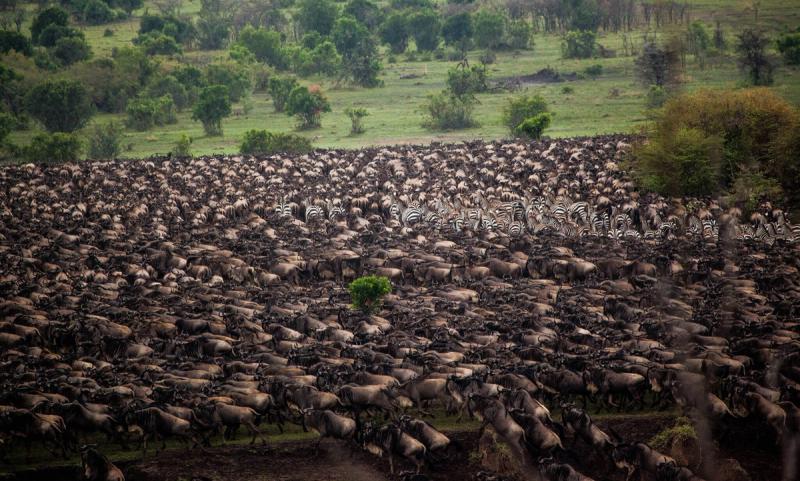
This time is a pivotal moment. With the arrival of the short rains, the Great Migration begins its southward sweep – herds move from the Maasai Mara and northern Serengeti into the richer grasses of the central and southern plains. By December, tens of thousands of wildebeest arrive, setting the stage for the calving season.
Best for: Those seeking excellent wildlife viewing and lush landscapes, minus the hustle of peak season.
What to Expect: Light rain, clear air and vivid vegetation, offering ideal conditions for crisp, colourful wildlife photography.
When the skies open, the plains come alive, Image Credit: Songa Migrational Camp
And the Best Time to Visit Zanzibar?
If you're planning a safari in Tanzania, chances are you'll fly in or out through Arusha, which also happens to be the jumping-off point for Zanzibar. That’s why many like to pair the two: safari first, then the coast. It’s an easy swap from game drives to sea views, and the change of pace just works.
Zanzibar is best from June to October, with a second dry spell in January and February. March to May brings rain, humidity, and fewer excuses to leave your hammock (unless you’re into kitesurfing).
Basically:
June to October = best for classic beach weather
January to February = a great second window
March to May = wetter and less ideal for a pure beach stay
Zanzibar is the perfect finish to any Tanzania safari
Month-by-Month Snapshot for Your Tanzania Safari
While nature doesn’t stick to a strict schedule, some patterns do emerge. Here’s a general guide to how the year tends to unfold – useful for shaping your plans around the kind of experience you’re hoping for.
Month
What to Expect
January
Calving season kicks off in the south
February
Predator action heats up
March
Rains begin, bush thickens
April–May
Long rains. Some lodges close
June
Clear, crisp, wildlife concentrated
July
Peak safari season
August
Mara River crossings begin
September
Beautiful light, fewer crowds
October
Still dry, with gold-tinged landscapes
November
Short rains begin, Green Season starts
December
Wildebeest herds return to the south
Get up close to Tanzania's abundant wildlife
A Note on the Great Migration
The Great Migration doesn’t follow a timeline. That’s why it's best to work with people who understand the shifting patterns, not just the guidebook versions. It’s a year-round loop between Tanzania’s Serengeti and Kenya’s Maasai Mara, driven by rain, grass, and instinct.
That said, Tanzania hosts the lion’s share of the action. From the calving season in the southern plains to the dramatic build-up in the western corridor and those famed river crossings in the north, most of the migration’s milestones happen on Tanzanian soil.
In general:
January to March: Calving season in the southern Serengeti and Ndutu
April to May: Herds move northward through the central Serengeti
June to July: Western corridor crossings
July to September: Herds often cross into Kenya’s Maasai Mara
October to December: Return to Tanzania via the northern and eastern Serengeti
A living river of instinct, dust, and hooves, Image Credit: Sayari Camp
Frequently Asked Questions
You asked, our Travel Experts answered. Here is the need-to-know information on Tanzania.
Frequently asked questions
Is Tanzania Worth Visiting in the Green Season? +
Yes. The green season can be beautiful, especially if you want fewer crowds, richer landscapes, lower-season value, and dramatic skies. It's also an excellent time for calving season in the southern Serengeti. The trade-off is a higher chance of rain and more variable road conditions in some areas.
How Many Days Do You Need in Tanzania? +
That depends on the kind of trip you want. Around 7 to 10 days works well for a classic northern Tanzania safari, while 10 to 14 days gives you more room to combine safari with Zanzibar, or with another East African country.
Should I Choose Kenya or Tanzania for a Safari? +
Both are excellent, but they offer slightly different strengths. Tanzania is often the better choice if you want a broader range of landscapes, from the Serengeti and Ngorongoro Crater to Tarangire, Ruaha and Zanzibar. Kenya is ideal if your focus is the Maasai Mara and a more classic East African safari. Many choose to combine the two.
Can You Combine Tanzania with Zanzibar or Kenya in One Trip? +
Yes, and Tanzania combines especially well with both. Tanzania and Zanzibar are one of the easiest and most rewarding bush-and-beach pairings, while Kenya and Tanzania work beautifully for travellers wanting a broader East African safari. The best timing usually falls between June and October or January and February.
Stone Town, a heritage site in the heart of Zanzibar
So, When Should You Visit Tanzania?
Tanzania isn’t a one-season-fits-all destination. Pick your own plot twist – grandstand Great Migration spectacle, baby-season cuteness overload, or a value-loaded green escape.
Whichever you fancy, reach out to our Travel Experts today. They know exactly where the drama (or the zen) will be when you land, and will custom-craft your ideal safari accordingly. We can't wait to welcome you to the wild.
tanzaniasafaribest time to visit tanzaniaserengetitanzania safari
Georgia is a creative by soul and spirit. She began singing as soon as she could speak and later turned to writing poetry and songs, sparking a lifelong love for storytelling. She’s explored many pockets of the planet, with Botswana, Nepal, and Switzerland being her favourites, and studied Journalism to craft meaningful stories about the planet’s wild places and culture. As an avid hiker, she’s stood at the stem of Everest and atop countless Drakensberg peaks. Georgia is most at home in the wild, with a deep love for camping, cave-sleeping, and wandering through forests. When she’s not crafting content, she’s probably dancing barefoot in some grass.