
The river speaks first in Zambia. It’s a low hush against reeds and hull, the kind of sound that alters your attention before the wildlife even arrives. By the time Rhino Africa Travel Expert Alexandra Barth (Alex) had moved through the Lower Zambezi and South Luangwa, she was not only responding to what she had seen, but to the way Zambia had taught her to read the wilderness differently. This is a Zambia safari told in two keys: first, the river, and then the ground beneath your feet.
On the Ground in Zambia
Zambia had long intrigued Alex, and travelling through the country allowed her to experience it first-hand, returning with a clearer sense of how the journey feels in real life. Her route took her through two of Zambia’s defining safari regions: the Lower Zambezi and South Luangwa.
It's one of Southern Africa’s most rewarding safari destinations, known for strong guiding, lower game-drive vehicle density, and a safari style that feels especially close to the land. With the river shaping life in the Lower Zambezi and walking safaris woven into the identity of South Luangwa, Zambia offers an experience that feels both immersive and deeply alive.
Lower Zambezi: The River Sets the Tone
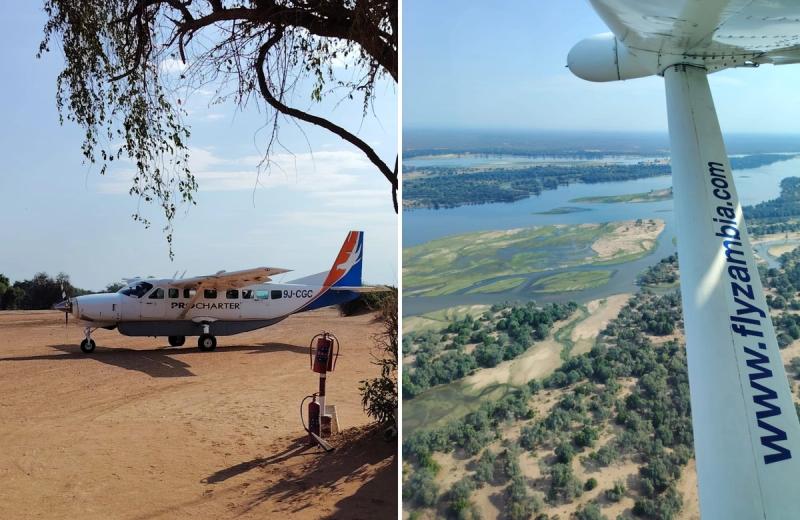
Alex’s route into Lower Zambezi National Park already felt like part of the adventure. Reached via Lusaka, the country’s capital, and then a small aircraft transfer, it was the kind of arrival that made the destination feel properly removed from the everyday.
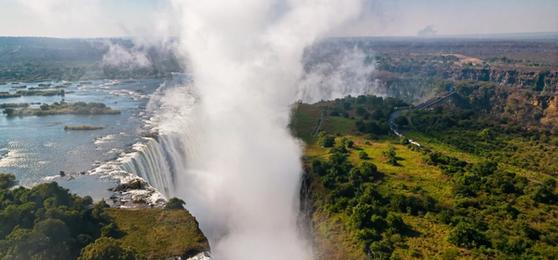
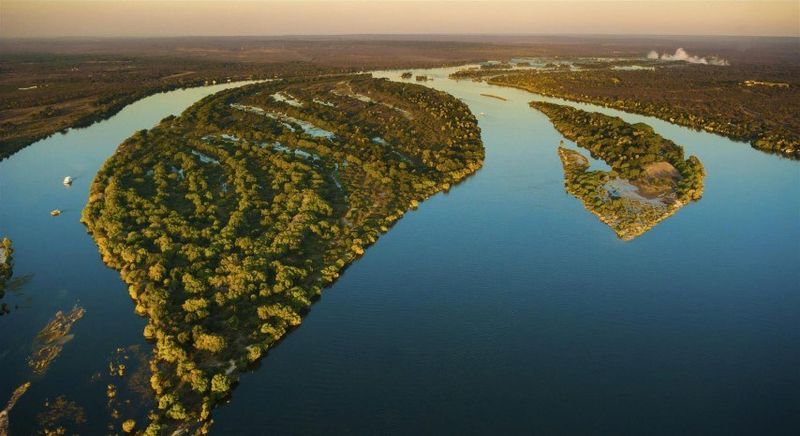
It was almost as if the journey itself was preparing her for a different rhythm. And that rhythm is set by water. In the Lower Zambezi, the river is not simply something you look at. It shapes the safari. It changes how you move, the pace of the day, and the angle from which wildlife appears. And that all comes into sharper focus when framed by the places you stay.
The First Taste of the Wild
At Sausage Tree Camp, the welcome was warm. Set right on the banks of the Zambezi River in the heart of the Lower Zambezi National Park, this luxury tented camp feels beautifully rooted in its setting. Its Bedouin-style tents are generously spaced beneath the trees along the riverbank, with private plunge pools, open-air showers, and wide views that keep the landscape front and centre. The camp carries a sense of privacy that lets the wilderness do the talking.
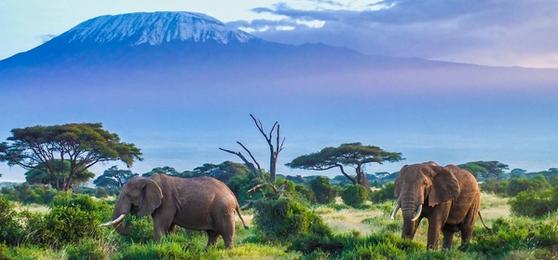
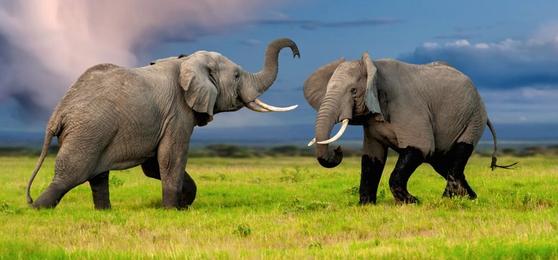
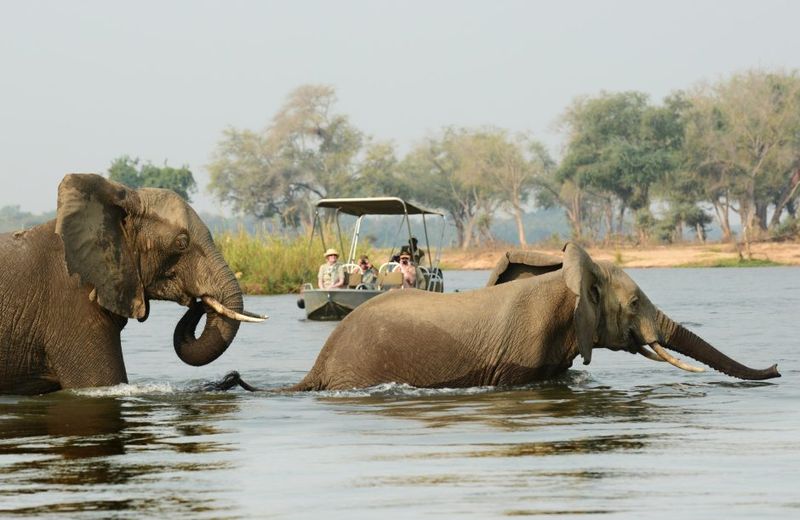
And the wilderness wasted no time. From the balcony of her room, Alex watched elephant families, calves included, crossing from the mainland to an island, their trunks lifted like little snorkels above the water. It gave her so much joy to witness the familial bonds between the animals in the herds, with both mothers and matriarchs helping the little ones out of the water and onto the banks above.
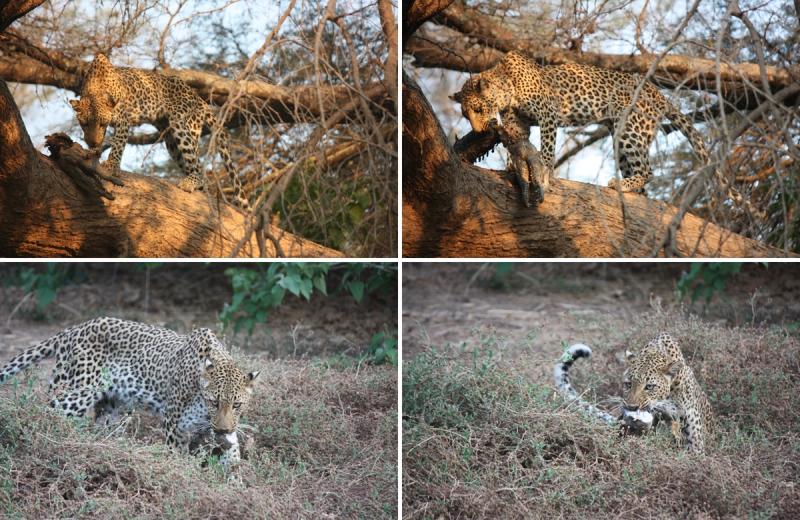
This was also where Alex witnessed one of the strangest and most unforgettable sightings of the trip: two leopards feeding on a crocodile in a tree. It was the wild in its most unassuming form, and a reminder of the kind of safari Zambia is known for: raw and entirely unscripted.
A Wider Sense of Place
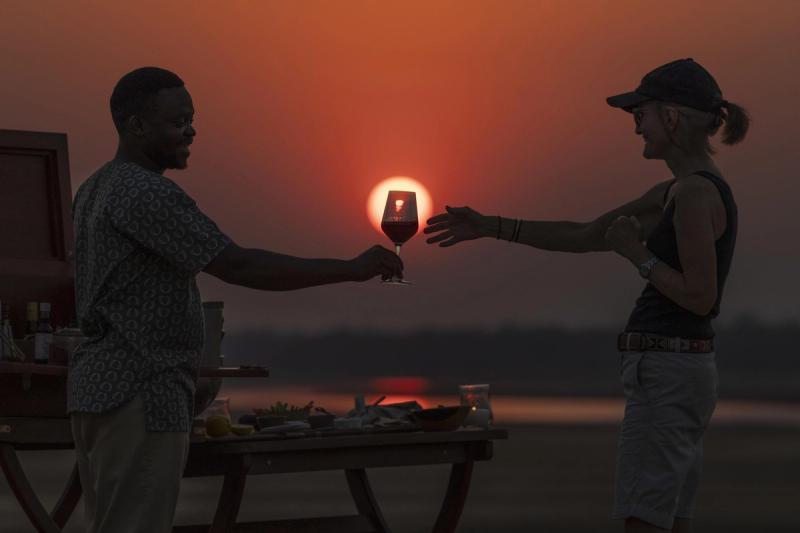
Alex's next stay was Lolebezi, set on the banks of the Zambezi River. It’s a lodge that leans into that river setting beautifully. The design is striking, with each common room spilling into the wilderness beyond. The suites are generous: standalone baths overlooking the water, tea and coffee stations fit for royalty, and a private viewing deck that only enhances the exquisite sunsets.
But what makes this lodge extra special is how fully it opens you to the place around it, inviting you to immerse yourself. For Alex, the experience widened with a sundowner boat excursion. Against the backdrop of the sky's blush pink and vibrant oranges, and to the soundtrack of rippling water, her guide opened conversations. He spoke about the local geography, nearby schools, and general politics, revealing Zambia not only as a safari destination but as a lived-in country with depth beyond the wildlife frame.
Here, the Lower Zambezi began to feel not just intimate and water-shaped, but socially grounded too.
South Luangwa: A Different Safari Landscape
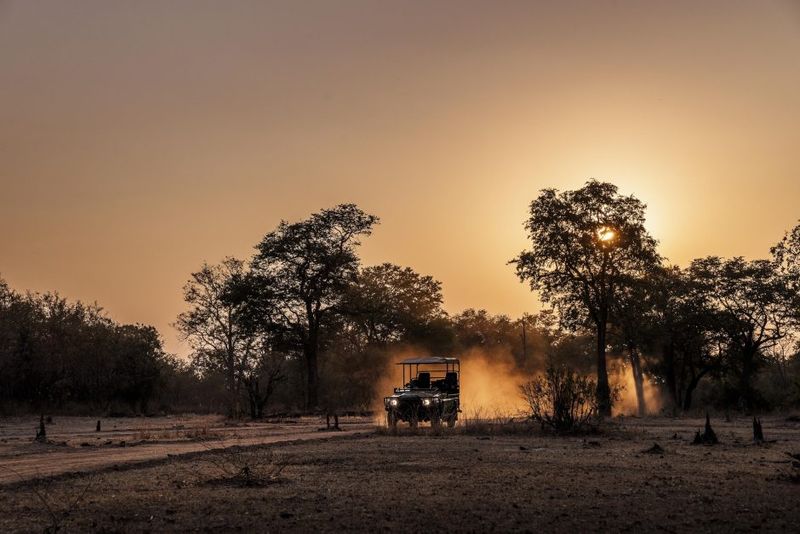
From the Lower Zambezi, Alex travelled on to South Luangwa National Park, and the change in scenery was immediate. This was no longer a river-shaped safari of open banks, channels, and wide light. At this time of year, after some rainfall, South Luangwa felt greener and more enclosed, thick with woodland and grassy vegetation. In fact, the bush appeared to fold in around the road, as if it were reclaiming any evidence of human interaction.
South Luangwa is one of Zambia’s most established safari regions, widely known for its strong guiding and long association with walking safaris. And because it's a public national park, the rhythm is different too. There are more game-drive vehicles, more shared sightings, and a stronger sense of wildlife being tracked and followed in real time across an active, working reserve.
That gave the destination a sharper, more immediate energy. Where the Lower Zambezi had felt fluid and softly paced, South Luangwa felt more concentrated, more alert, and more grounded in the daily logic of the bush.
The Pulse of the Wild
Alex couldn't help but notice how quickly the landscape could shift the mood of a drive. One moment, the bush held stillness; the next, it was all movement and signal. African wild dogs weaved through the thickets in the distance, hippos grunting in the watering hole up ahead, game-drive vehicles adjusting course as sightings unfolded across the park. It made South Luangwa feel alive in a more visible, active way.
And here, Alex experienced exactly why Zambia is so renowned for its walking safaris. Even before stepping out of the vehicle, the trackers and guides inspired her to pay closer attention to the ground, sounds, and direction of movement around her.
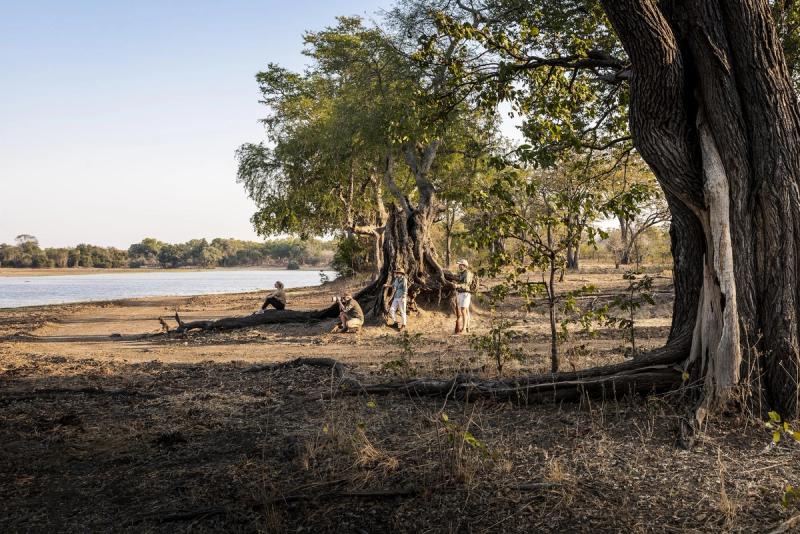
Then, she experienced it on foot with a government-trained armed scout, and the terrain changed scale completely. Following a hippo trail step by step, she was enveloped by the wild around her, every sense heightened and awake. It was a truly breathtaking experience.
Where Zambia Felt Closest
At Sungani Lodge, that sense of closeness took on a more lived-in form. The lodge is privately owned, with the owners present, and Alex felt that immediately in the service. It was polished and personal without ever becoming stiff. And even amidst such elevated luxury, she still experienced the wild up close.
During the night, Alex heard a lion moving through camp, something the staff confirmed the next morning. It was not presented as a spectacle, and that's exactly why it stayed with her. Sungani felt like one of those places where camp and bush remain in a peaceful negotiation with each other.
Even the photographic studio, with Canon equipment available for guests, felt purposeful rather than flashy. This was a stay that encouraged observation and patience – to truly take in the magic that surrounds.
A Heart Left Lighter
By the end of the trip, Alex had a stronger sense of what makes Zambia so distinctive. It's not trying to mimic better-known safari destinations. Instead, its strength lies in the rhythm of the experience, the atmosphere of the landscapes, and how each region draws you into the wild differently.
In the Lower Zambezi, that comes through river intimacy and elephants moving through water. In South Luangwa, it comes through a more immediate relationship with the bush.
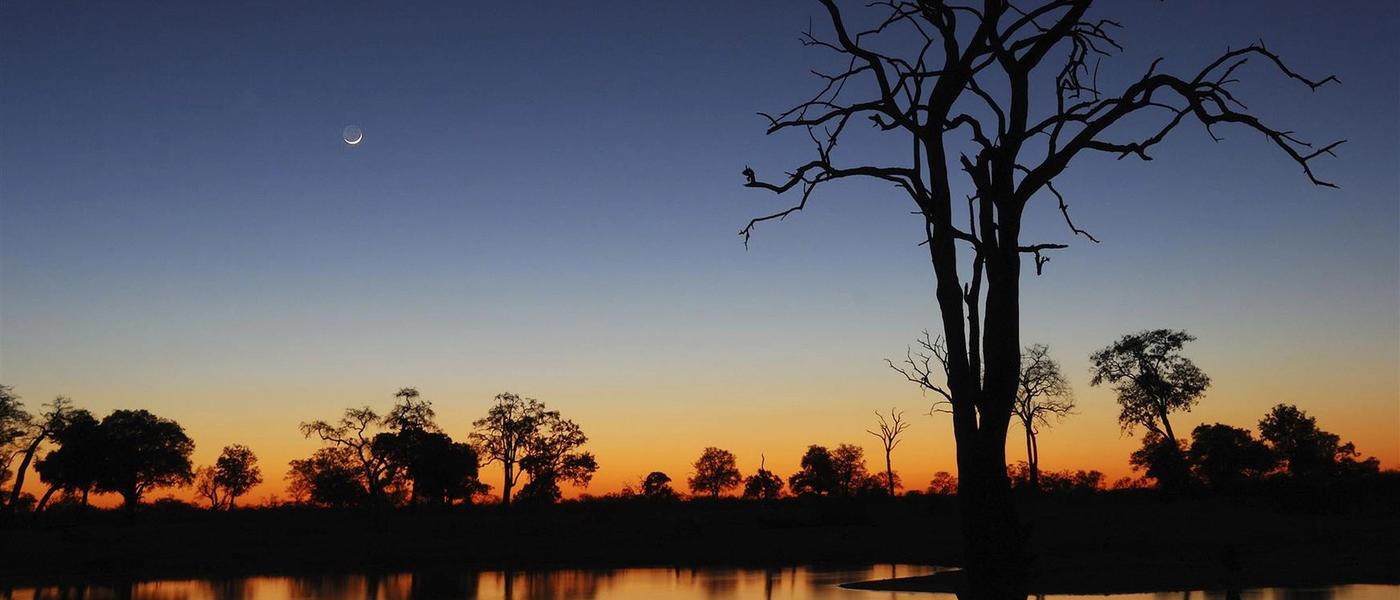
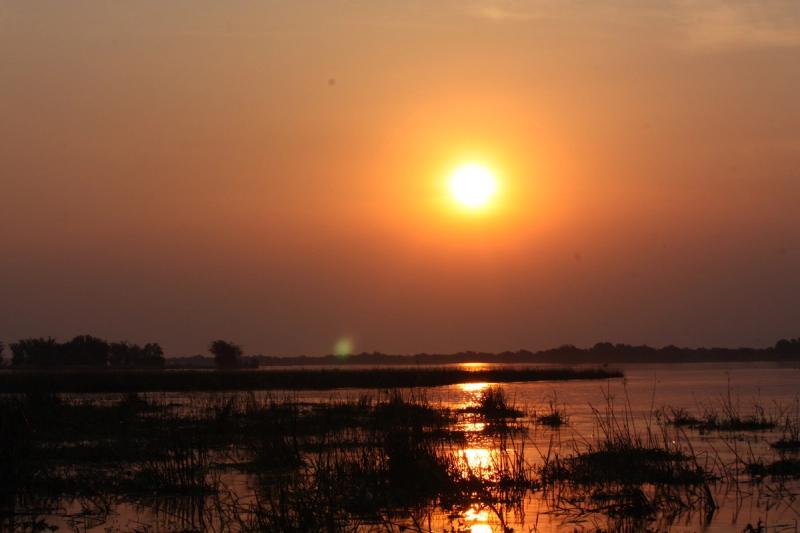
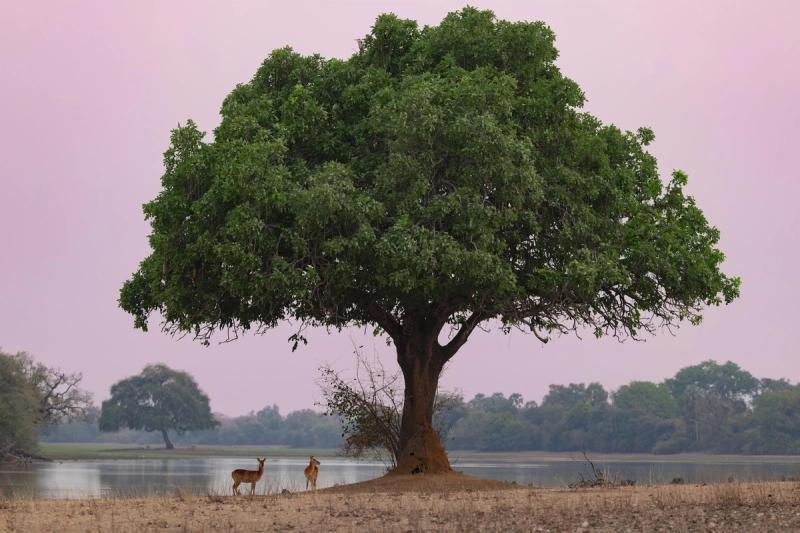
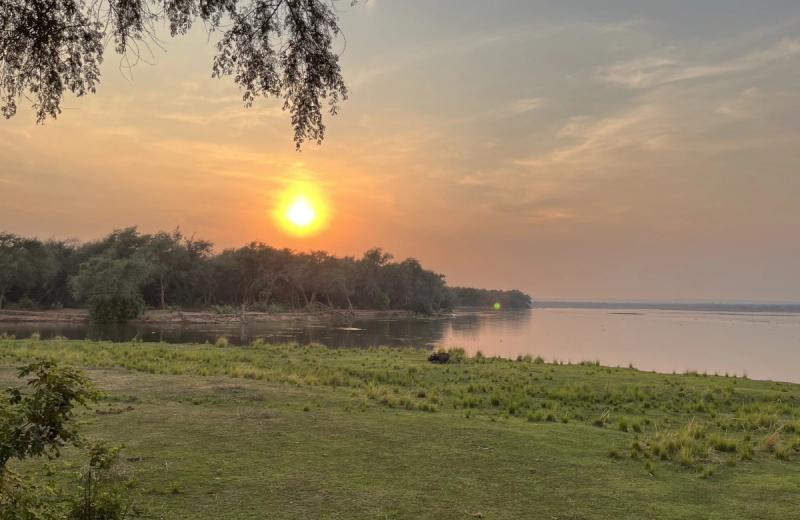
And over all of it, there's the light – sunrises and sunsets that spill vivid pink across the horizon and seem to hold the whole atmosphere in suspension.
“Zambia offers a safari that feels less crowded, more atmospheric, and more connected to the landscape than many better-known circuits.” – Alex.
How Alex Would Plan Your Zambia Safari
Having travelled it herself, Alex would now recommend structuring the journey like this:
- Fly straight into Lusaka: This avoids losing time on an overnight stop and keeps the journey moving well from the outset.
- Begin in South Luangwa: Starting here introduces Zambia’s bush rhythm first, with a more active public-park energy and strong wildlife context.
- Then move to the Lower Zambezi: This creates a natural progression into a quieter, more private safari shaped by the river and its slower pace.
- Travel between regions by light aircraft where possible: It keeps the route smooth, protects time on the ground, and adds to the sense of remoteness and adventure.
- Plan the trip between June and September: These months offer more comfortable temperatures and stronger overall game viewing conditions.
That order gives the route a better progression and allows the Lower Zambezi to land as the calmer, more atmospheric finale.
Zambia, Properly Felt
While Zambia may leave its mark quietly, it lasts. It stays with you in the river light, in the nearness of the bush, and in the feeling that the landscape still sets the pace. And sometimes, it's those small moments that make the biggest difference.
If you’d like to experience Zambia in the same thoughtful, immersive way, get in touch with our Travel Experts today, and we'll tailor a Zambia safari that best suits your ebb and flow.